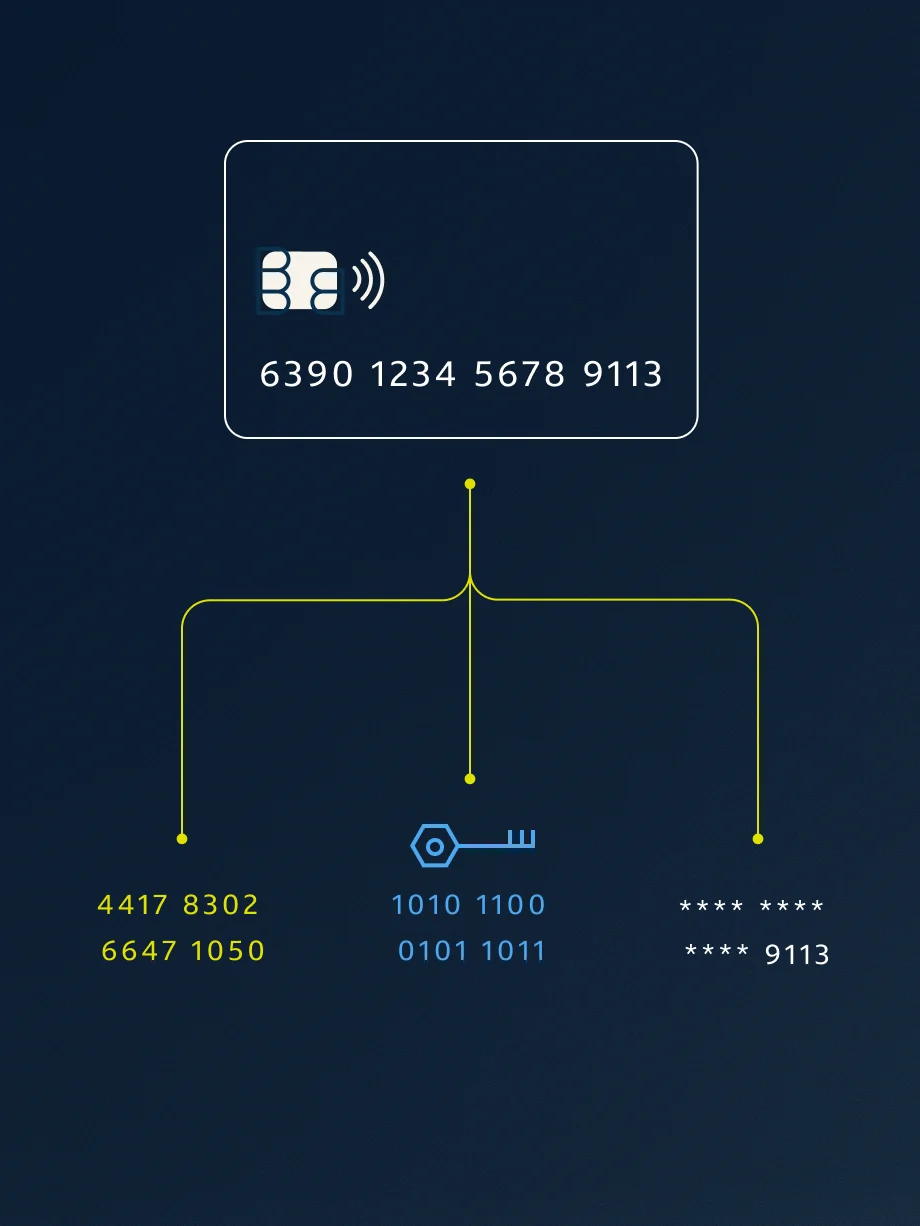

Vaultless
Algorithmically-generated tokens replace original values so there's no central vault, removing a high-value target without sacrificing performance.
Solution brief
Tokenize sensitive fields once as data lands in S3, Snowflake, Databricks and Athena query the same protected tables. Only the roles you authorize see real values.
Financial enterprises load data from many sources: mainframe extracts, payment and event streams, partner feeds and SaaS exports. That data usually lands in an S3 data lake built on a medallion architecture, where data platforms such as Snowflake, Databricks and Athena read the same tables in place and Tableau dashboards sit on top. A customer's SSN or email is stored in a single Iceberg table, yet several platforms can read it.
Services like S3, Unity Catalog and Snowflake each have their own security controls that govern access well within their own platform. Because each one is separate, you end up maintaining several access models that can drift out of sync, while the SSN still sits in cleartext beneath all of them. Every new platform or team adds another set of grants to build, review and reconcile.
Teams that encrypt sensitive fields themselves face their own version of the problem. Each platform that decrypts needs the keys, so you distribute, rotate and audit them in more places as your stack grows. This creates a constant trade-off between how finely you scope keys against the overhead of managing them.
As those grants multiply, access requests pile up. Teams either accept cleartext wherever a platform's controls fall short, or restrict access until the data stops being useful. The sensitive values themselves need protection that works the same way everywhere the data is read.
Databolt tokenizes sensitive fields before the data reaches Bronze, with a path for each kind of source: the Databolt Data Protector, an AWS Glue Spark job for batch loads; the Databolt File Protector, which tokenizes files as they arrive in S3; and the Databolt SDK, which streamlines calls to Databolt from your streams, jobs and applications. With the same configuration, all three produce the same deterministic, format-preserving tokens. Once your pipelines normalize formats, the same SSN gets the same token whether it arrives in a mainframe extract or on a stream, so nothing needs reconciling.
Your pipelines build Silver and Gold on those tokens, storing every layer as Iceberg tables cataloged in AWS Glue or Unity Catalog. Because Snowflake, Databricks and Athena read those tables in place, every team works from one protected copy instead of a replica in each platform.
To detokenize, each platform can call the same Databolt data plane, which runs on Amazon EKS in your AWS account and returns real values only to the roles you authorize: IAM roles in Athena, user roles in Snowflake and groups in Databricks. Once Snowflake, Databricks or a BI tool receives those values, that platform's controls govern them. For flexibility, you can also federate data planes so each runs where your data is, such as inside Snowflake through Snowpark Container Services or inside a Spark job as an in-process library, all under the same configuration and policy.
The data plane enforces OAuth on its own API endpoints, and many teams also put their existing API gateway in front of it. Snowflake reaches it through the Databolt app's external access integration, and Databricks, Glue and Lambda connect through your network. Tableau and other BI tools inherit the role of the engine running the query.
Databolt’s control plane supplies configuration and policy. It receives only usage telemetry, never your sensitive data, because tokenization and detokenization both run inside your AWS account. The cryptographic material behind your tokens can be managed by Capital One Software or by your own organization, whichever your security policy requires.
Giving every platform access to a single tokenized copy eliminates cleartext extracts and helps ensure cross-platform analytics run natively without distributing keys.
Algorithmically-generated tokens replace original values so there's no central vault, removing a high-value target without sacrificing performance.
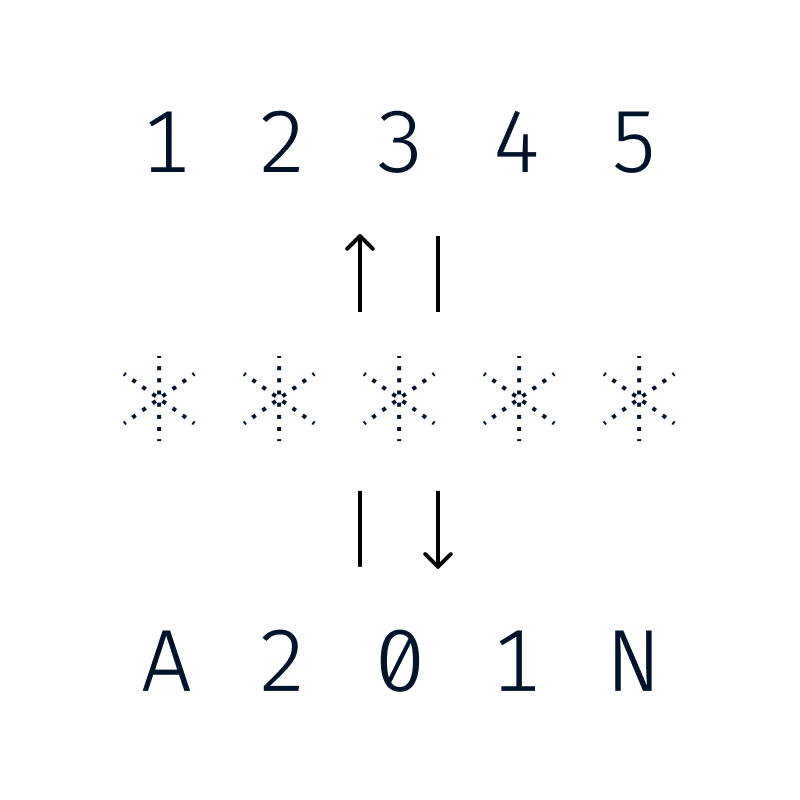
The same input, under the same configuration, consistently yields the same token, preserving referential integrity across joins and foreign keys.
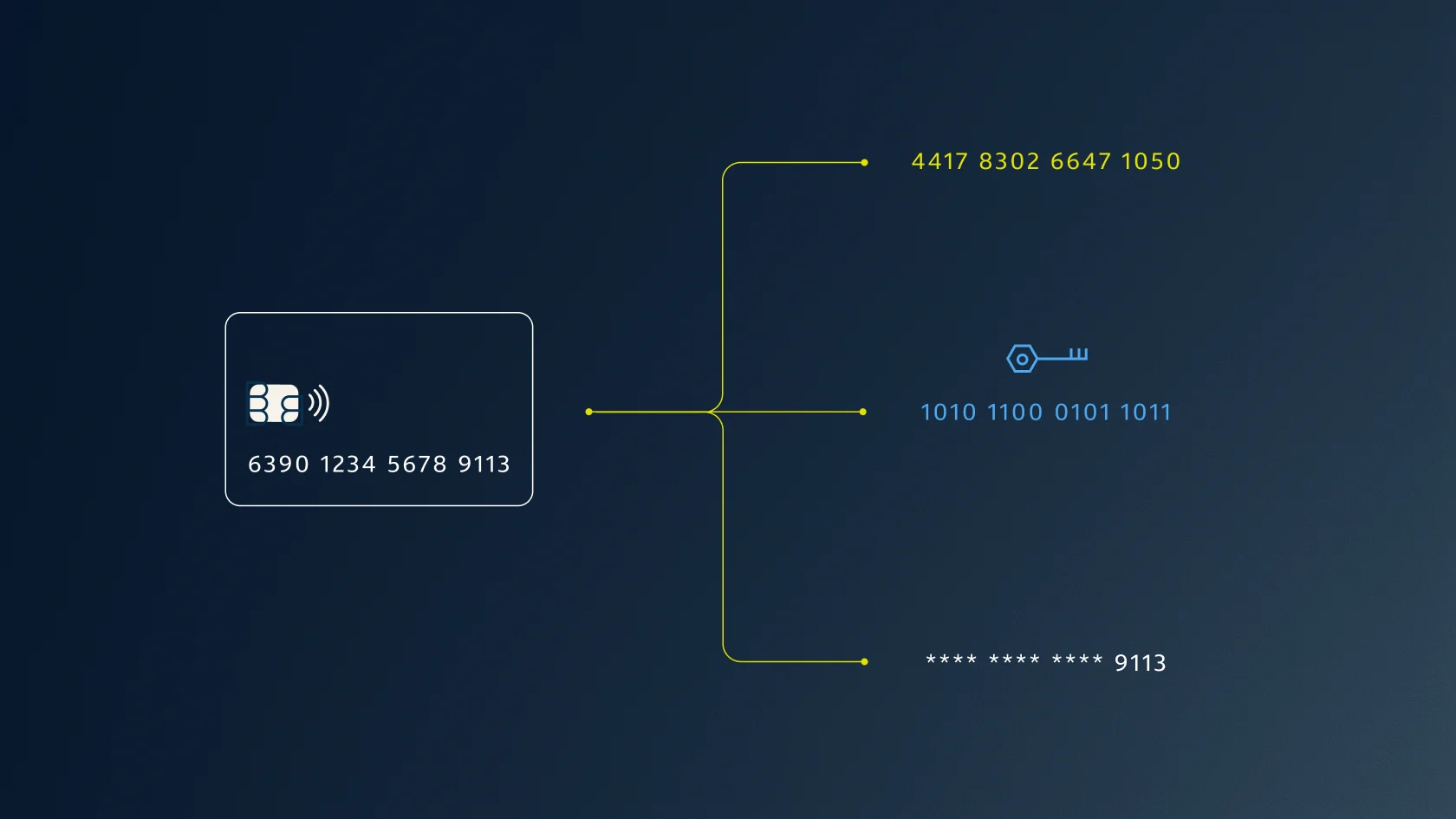
Preserve the original length and structure with the option to keep certain values, like a card's last 4 digits, visible to teams and systems that need them.
Tokenization happens inside your own data ecosystem, so sensitive values don't have to leave it.
Faster access. Analytics, risk and data science teams can query the data from whichever platform they prefer, working from the same tokenized tables instead of waiting on a cleartext extract and a separate approval for each dataset. You approve access only for the few roles that need real values, and those permissions apply wherever you need them.
Analysis that still works. Because the same input, with the same configuration, always produces the same token, a customer's records match across platforms and joins. The joins, counts and groupings most analysis depends on run directly on tokens, so dashboards in BI tools like Tableau keep working for every viewer.
One place to govern real values. Each platform needs only a simple grant that lets a role read the tables and call Databolt. Which roles see real values for which fields is decided once, in Databolt, rather than in each platform's own access model. A new platform reads the same tables and sees tokens from day one. If any of its roles need real values, a one-time setup lets it call Databolt, and the rules you've already defined apply.
Nothing to distribute. The platforms don't hold the material that creates or reverses tokens. They send requests to the Databolt data plane, which answers only for authorized roles.
When a query needs a real value, the engine running it calls the Databolt data plane, which checks the caller's role and returns real values only to authorized roles. Every other role keeps seeing tokens.
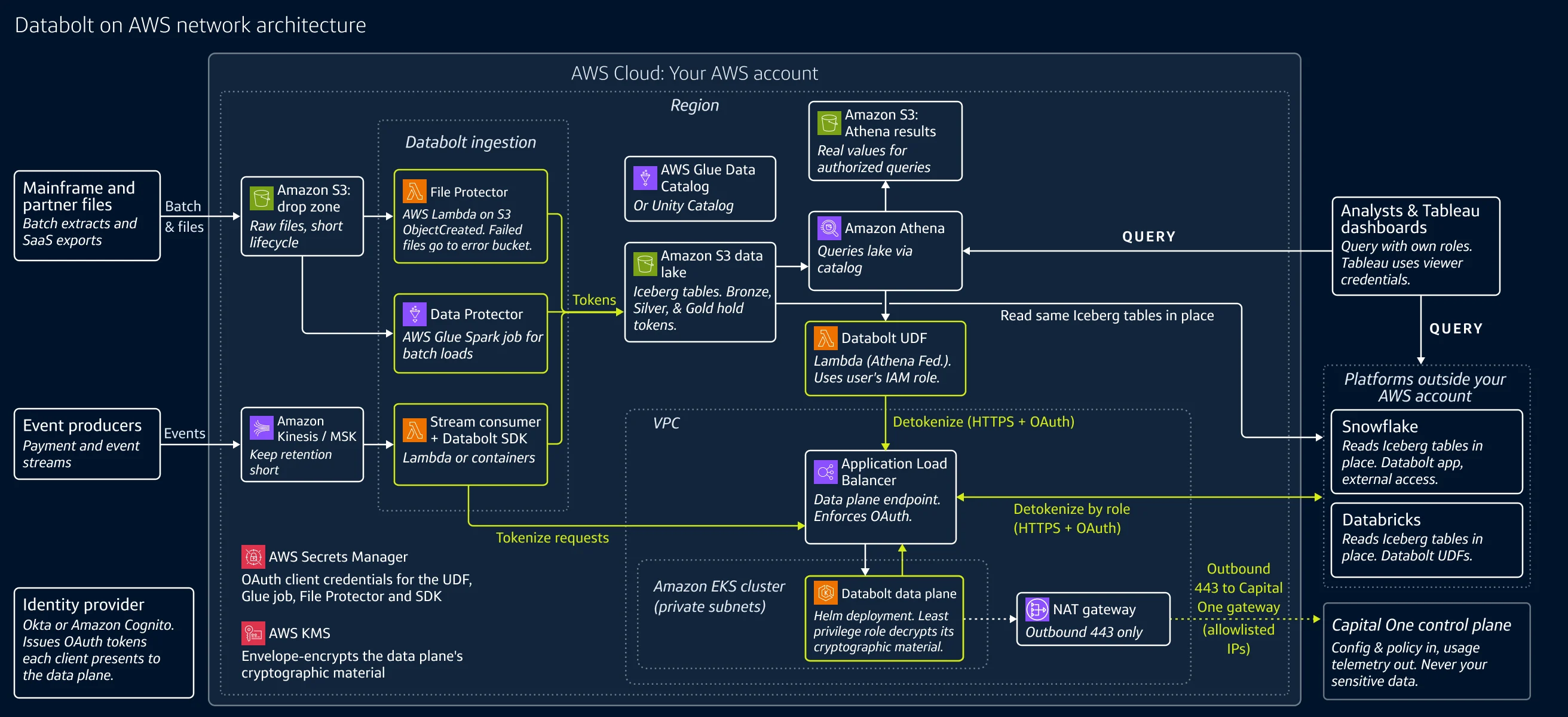
Tokenize sensitive fields at the Bronze boundary. Bronze keeps each record as it arrives, except that sensitive fields are normalized just enough for consistent tokens (format, case, trimming) and then tokenized through the matching Databolt path, all under one configuration. Keep raw files in the drop zone only until they're tokenized.
Build Silver and Gold on tokens. Standardization and cleansing run in Silver as usual, and joins, deduplication, counts and null checks work on tokens. Only the steps that truly need real values, like fine-grained scoring of candidate matches or date math, run in a job role that can detokenize. Store the tables once as Iceberg and catalog them in Glue or Unity Catalog.
Map identities to access groups. In Databolt, map each platform's identities, such as Athena IAM roles, Snowflake user roles and Databricks groups, to the same Databolt access groups. These groups decide which roles can detokenize which fields.
Connect each platform. Athena uses the Databolt Lambda UDF. Databricks uses Databolt UDFs, with support for both Pandas and Batch Python UC UDFs (public preview) for views, masks and BI tools. Snowflake connects through the Databolt app's external access integration.
Query from any platform. Roles with only table access see tokens. Roles authorized to detokenize a field see its real value.
What changes for your users. For roles that can't detokenize, sensitive fields read as format-preserving tokens, while joins, groupings and counts keep working across platforms because the tokens are deterministic. Filtering on a specific SSN or account number takes one extra step: a role with tokenization rights tokenizes the value first, and the query matches that token. Ranges, sorting, LIKE and arithmetic on tokenized fields work only for roles that can detokenize. In Athena, detokenization happens when a query calls the Databolt UDF, so authorized roles add that call to the queries where they need real values. Because some fields produce tokens that include letters (123-45-6789 might become something like Ck2-Pz-CM0z), plan for text columns where those values are stored as numbers.
Use one Databolt field type and one normalization rule per data element. Determinism holds only when every path uses the same Databolt field type for a data element, so point the Data Protector, the File Protector and every job that calls Databolt through the SDK at that field type. Define a normalization rule for each field – covering type, padding, case, trimming, date format and empty values – so inputs like 123456789 and 123-45-6789, or John@x.com and john@x.com, produce different tokens. Then run a fixed set of test values through every path and confirm the tokens match.
Keep tokenization at the Bronze boundary. Your pipelines keep ownership of medallion layering, schema evolution and Iceberg maintenance. Databolt tokenizes the sensitive fields before data reaches Bronze, so no cleartext enters Silver or Gold. Because Bronze stores tokens rather than a raw replay copy, plan to reprocess sensitive fields through a job role that can detokenize, or from the drop zone while it's still retained. When a source adds a column, have the pipeline quarantine the load until you map the column to a Databolt field type or mark it as not sensitive.
Plan identity mapping for each platform. Athena's Databolt UDF uses the querying user's IAM role. Snowflake passes the querying role, and Databricks passes group membership. Map all three identity types to the same Databolt access groups so the same detokenization rules apply everywhere. Connect Tableau with each viewer's own credentials (for example, through OAuth) rather than a shared service account. Otherwise, every viewer inherits the service account's rights to detokenize.
Account for cleartext residuals. In the drop zone, raw files hold cleartext until they're tokenized, so keep retention short with a lifecycle rule that also covers old object versions if the bucket is versioned. Error buckets and dead-letter queues, which collect files the File Protector can't process and rows that Glue jobs and streams reject, need the same controls. In streams, messages stay in cleartext for the stream's retention period, so keep that period short. Athena persists authorized query results—including real values—either in Athena-managed storage (auto-deleted after 24 hours) or in your S3 bucket, where you must enforce your own lifecycle and access controls. Downstream, real values can persist in a platform's query results, history, caches and in BI extracts: a Tableau extract built by an authorized role holds real values even after it's shared. Apply those platforms' retention controls, and prefer live connections for dashboards that show real values. Finally, don't give roles that can detokenize write access to the lake.

Every AWS estate has its own ingestion paths, data platforms and catalogs. Whether you're starting with a single dataset or planning adoption across your data lake, our team can help you work out the right approach.
Blog
June 16, 2026
7 min read
Blog
September 14, 2026
13 min read
Research
May 7, 2026
Webinar
December 10, 2025
White Paper
December 3, 2025